guides
Single-Use Plastic Bans and Hotel Amenities: What to Know
UMYAN · Jun 11, 2026
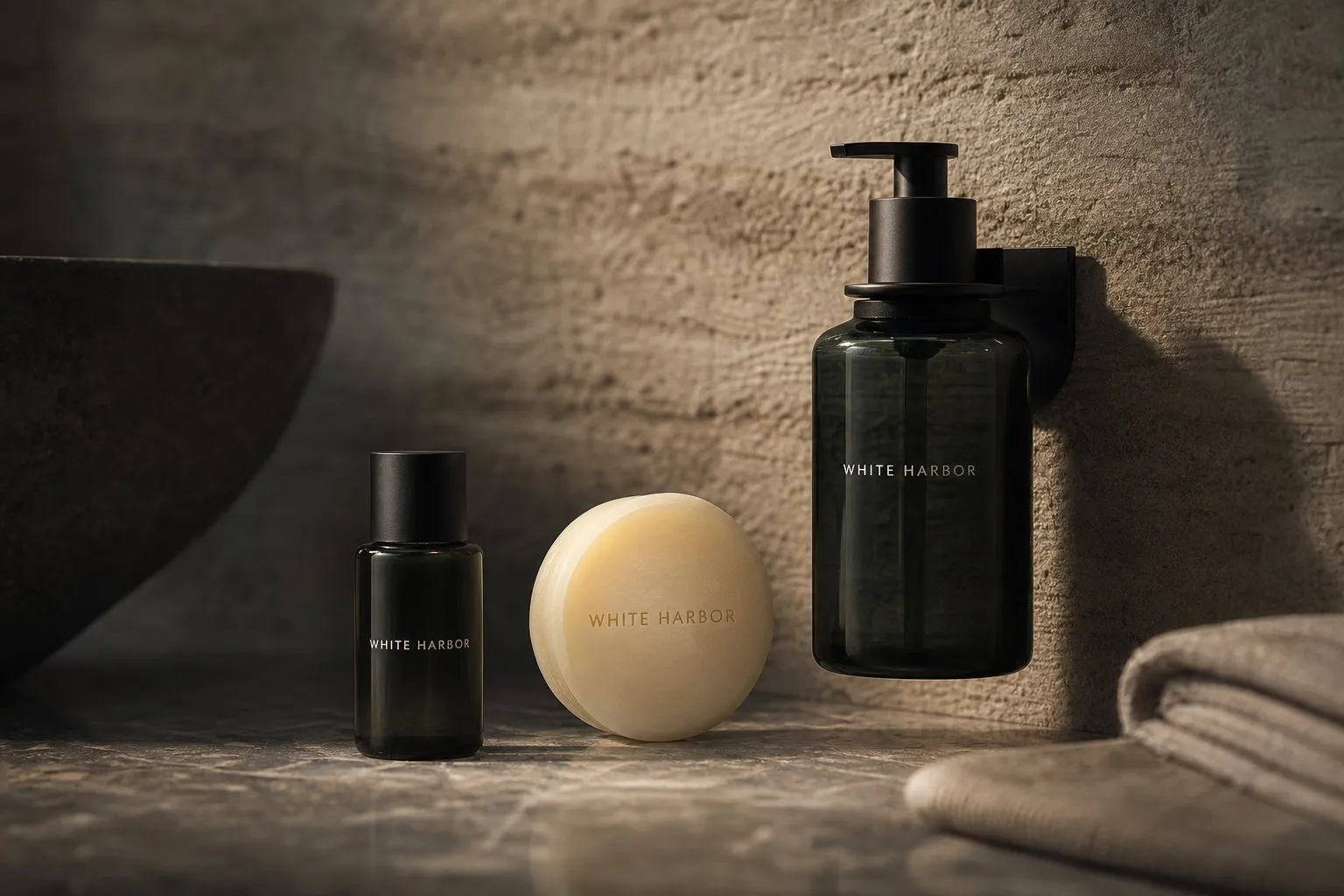
A growing number of regions are restricting small single-use plastic toiletry bottles in hotels — the little shampoo and shower-gel bottles placed in guest rooms. The details vary by jurisdiction, but the direction is clear, and the practical takeaway is simple: the safest, cheapest move is to switch ahead of the deadline, not scramble to meet it.
We manufacture both single-use and refillable amenities, so our advice here is about helping you plan, not pushing one product. This guide fits inside our wider sustainable hotel amenities guide.
Important: This is general guidance, not legal advice. Regulations differ by country, state and city and change over time. Always verify the current rules for each jurisdiction your properties operate in before making compliance decisions.
Why this is happening
Small plastic toiletry bottles are a high-visibility, high-volume source of single-use plastic. A single large hotel can send tens of thousands of tiny bottles to landfill a year, most only part-used. That makes them an obvious target for regulators, and an easy win for properties that want a measurable sustainability story.
Three pressures are converging: government regulation, brand-level ESG commitments (several major hotel groups have publicly committed to phasing out small bottles), and guest expectation. Even where there’s no law yet, the brand standards and booking-platform filters are already moving.
Where restrictions already exist
Without getting into specifics that may have changed, the trend shows up in several forms:
- Regional single-use plastic rules. The European Union’s Single-Use Plastics Directive set the tone by restricting a range of single-use plastic items, prompting wider scrutiny of hospitality plastics.
- Hotel-specific bottle bans. Some US states (California and New York among the earliest) have passed laws specifically restricting small plastic personal-care bottles in lodging, phased in by property size.
- Proposed and pending rules. Other states, countries and cities have similar measures proposed or under consideration.
Because the exact thresholds, dates and definitions differ — and are still evolving — treat the above as the shape of the trend, and confirm the specifics for your locations.
What’s typically restricted
The common pattern across these rules:
- They target small, single-use plastic bottles of personal-care products (shampoo, conditioner, shower gel, lotion) placed in guest rooms.
- They usually exempt larger formats, refillable dispensers and bulk.
- They often phase in by property size, with larger hotels required to comply first.
In other words, the regulations are essentially pushing the industry toward exactly the formats that reduce waste anyway: dispensers, bulk and bars.
How to comply (and improve your program while you’re at it)
The good news is that compliance and a better sustainability story are the same project. The standard route:
- Switch in-room and washroom liquids to refillable dispensers with bulk refills. This is the change most bottle bans are designed to encourage. See refillable dispensers vs bottles for how to choose.
- Move remaining single-use items to paper or solid formats — kraft and sugarcane kits, solid bars — from the eco line.
- Keep your formula and fragrance so the switch is invisible to guests.
Buying tip: If any of your markets has a ban phasing in by property size, switch your largest properties first — they’re usually in scope earliest, and they deliver the biggest waste reduction for your ESG report.
Switch ahead of the deadline
The properties that struggle are the ones that wait for the enforcement date and then rush. Switching early is cheaper and calmer:
- You phase the change over time instead of replacing everything at once.
- You avoid last-minute supply pressure when every hotel in a region is switching at the same deadline.
- You get an early sustainability story instead of a compliance scramble.
A sensible plan: start with public washrooms and your largest properties now, move packaging to paper next, and complete in-room formats before any deadline that applies to you.
A simple readiness checklist
You don’t need a compliance department to get ahead of this. Work through these in order:
- Map your markets. List every country, state and city your properties operate in.
- Check current rules per market. Confirm whether a small-bottle restriction exists or is proposed, and its threshold and date. (Verify with the local regulator — rules change.)
- Flag properties in scope first. Usually the largest properties in regulated markets.
- Plan the switch. Public washrooms and large properties to dispensers first, then packaging to paper, then remaining in-room formats.
- Keep your scent. Specify bulk in your existing formula and fragrance so guests notice waste reduction, not a change.
- Record your baseline. Bottles and plastic used today, so you can report the reduction.
Even in markets with no law yet, this checklist future-proofs you and gives you an ESG story now.
Brand standards may move faster than the law
One thing buyers underestimate: your brand’s own standards, or a franchisor’s, can require the switch before any government does. Several major hotel groups have publicly committed to phasing out small single-use bottles across their portfolios. If you operate under a flag or are considering one, check the brand standard as well as the local law — it may be the stricter, and earlier, of the two.
Frequently asked questions
Are small plastic toiletry bottles banned in hotels?
In a growing number of jurisdictions, yes — several regions restrict small single-use plastic personal-care bottles in lodging, usually phased in by property size. The specifics vary and change, so verify the current rules for each location you operate in.
What can we use instead of small plastic bottles?
Refillable wall-mounted dispensers with bulk refills are the standard replacement, alongside solid bars and paper-packaged kits. These formats also reduce waste and cost over time.
Do these rules apply to all hotels?
Many of the laws phase in by property size, with larger hotels required to comply first and smaller ones later. Check the threshold and timeline for your specific jurisdiction.
How long does it take to switch?
It depends on your size and how custom your program is, but switching ahead of any deadline lets you phase it calmly. Start with public areas and large properties, then move to in-room formats.
Need to move off small plastic bottles before a deadline? Request a quote with your room count and markets, and we’ll map a compliant, phased switch to dispensers, bulk, paper and bars — keeping your existing scent throughout.